Vape Culture: Examining the Emergence of Vaping in Contemporary Society
Vape culture has emerged as a prominent phenomenon among young adults, driven by a desire for healthier alternatives and diverse flavor options. Social platforms magnify this phenomenon, depicting vaping as a widely embraced option. Yet, the health concerns surrounding vaping remain debated, raising questions about safety. As vaping establishments transform into social gathering spaces, the characteristics of this movement remain in constant flux. What lies ahead for this growing movement?
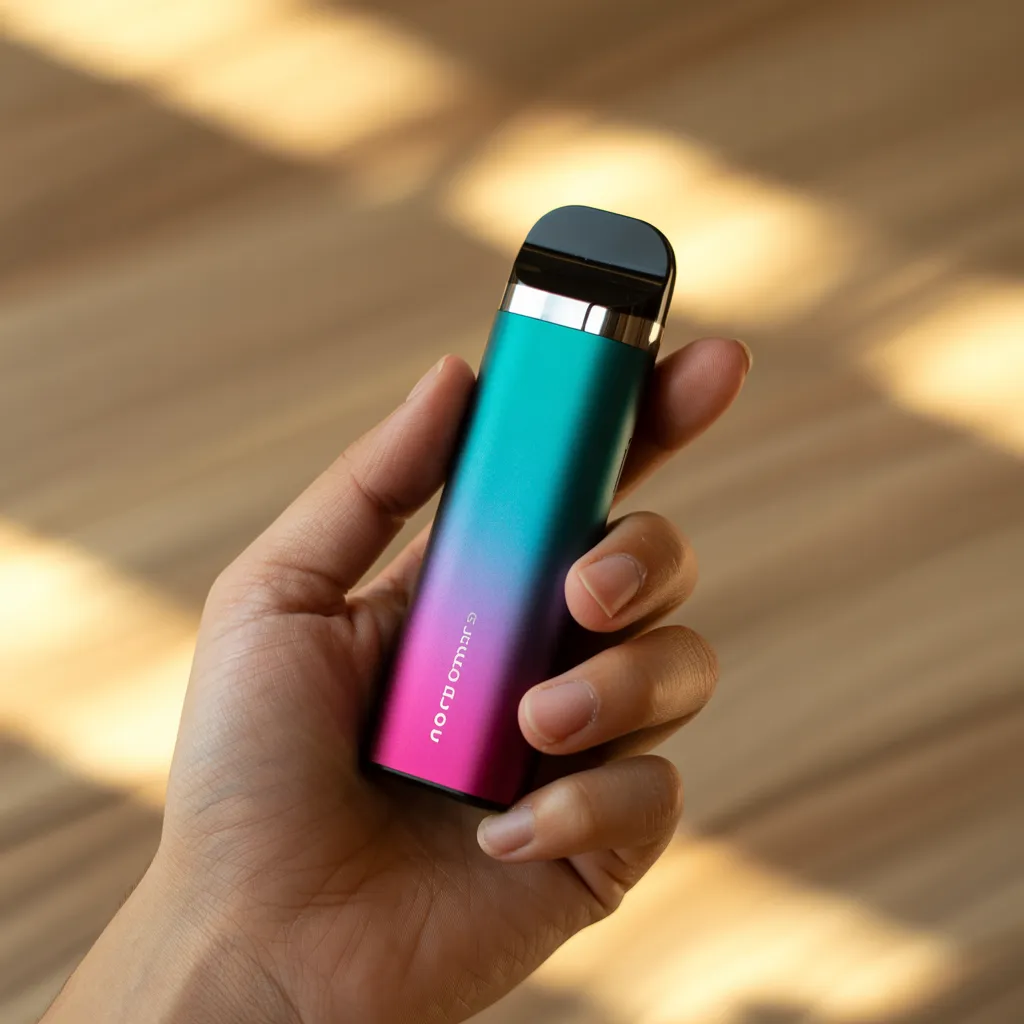
What Is Driving People to Switch to Vaping?
As awareness of the health risks associated with traditional smoking grows, a growing number of people are turning to vaping as an apparently less harmful substitute. This transition is fueled by several contributing elements, including the appeal of flavors and customizable options that vaping devices provide. Numerous users value the wide range of flavors, spanning from fruity to dessert-themed options, which make the experience far more pleasant than traditional tobacco. Furthermore, vaping is frequently regarded as a more socially welcomed activity, especially among younger age groups. The technology behind vaping devices also allows for a level of control over nicotine intake, appealing to those looking to reduce consumption gradually. Beyond that, the notion that vaping is less bothersome and leaves behind fewer persistent odors compared to smoking plays a role in its increasing prominence. As a consequence, a broad spectrum of individuals, including both former smokers and those new to nicotine use, are steadily embracing vaping as their preferred choice.
Is Vaping Truly Safe? The Health Discussion?
How safe is vaping compared to traditional smoking? This question has sparked considerable debate among health professionals and the public alike. Even though vaping is commonly presented as a less harmful substitute for smoking, the actual situation is considerably more complicated. Vaping devices usually include a smaller number of toxic chemicals compared to regular cigarettes, theoretically diminishing some associated health dangers. Nevertheless, vaping continues to deliver dangerous substances into the body, such as nicotine, which may result in dependency and possible heart-related complications.
Recent studies have highlighted concerns about the long-term effects of inhaling aerosolized substances, particularly since a large number of e-liquid ingredients lack sufficient research. Furthermore, documented cases of lung injuries tied to vaping have surfaced, compounding the existing concerns about its safety. When all is considered, while vaping may present fewer risks than smoking, it is still associated with notable risks, demanding thoughtful evaluation from both users and policymakers.
Who Is Embracing the Vaping Trend?
What types of people are attracted to vaping? A broad spectrum of individuals is drawn to vaping, across different age groups and lifestyles. Young adults, particularly those in their late teens to early twenties, frequently look for substitutes to conventional cigarettes, viewing vaping as a modern lifestyle choice. Many are motivated by the perception that vaping is less harmful and offers a customizable experience through various flavors and nicotine levels.
Additionally, former smokers shifting to vaping form a substantial group. They often view it as a way to lower supporting information nicotine intake while continuing to enjoy the inhalation experience. Some individuals are also driven by curiosity, as the communal nature of vaping draws in those seeking to bond with others or discover new experiences. The trend's accessibility, combined with its perceived novelty, continues to draw a broad spectrum of participants into the world of vaping.
How Social Media Has Shaped Vape Culture
How does social media influence vape culture? Social media networks have grown increasingly central to the promotion and normalization of vaping among different groups. By sharing visually compelling content, influencers present vaping as a lifestyle decision, frequently highlighting its visual appeal and communal dimensions. Dedicated hashtags and vaping challenges build a community atmosphere, inspiring users to share their encounters and product preferences. Additionally, platforms like Instagram and TikTok allow users to produce and disseminate tutorials, vape tricks, and product reviews, enhancing the visibility of vaping products and brands.
This ongoing engagement creates an environment where vaping is not just a routine but a means of individual expression. The widespread reach of social media amplifies trends, leading to swift changes in consumer preferences. As a result, social media acts as a double-edged sword, both spreading knowledge about vaping and potentially glamorizing the habit, particularly among younger demographics.
How Vaping Affects Your Lifestyle Choices
Vaping has grown into a powerful force shaping current lifestyle trends, influencing everything from social interactions to personal identity. For numerous individuals, vaping functions as a social bridge, encouraging bonds in both informal and formal contexts. The practice of vaping frequently generates a collective experience for participants, strengthening community ties and setting standards for social events.
Furthermore, vaping has reshaped personal identity for certain people, setting them apart from traditional smokers or non-smokers. The range of flavors, devices, and brands allows individuals to display their unique tastes, promoting a sense of uniqueness.
Additionally, health-related views associated with vaping have inspired changes in lifestyle; many individuals consider it a healthier substitute for cigarettes, while certain individuals weave it into fitness-oriented narratives. In the end, vaping impacts preferences regarding social interactions, personal expression, and well-being, highlighting its significant effect on today's lifestyle choices.
Vape Retailers: Community Spaces for Enthusiasts
Within the ever-changing world of vaping culture, vape shops have become important social centers for vaping enthusiasts. Such venues function as communal spaces where customers can bond over their common enthusiasm for vaping. Beyond merely selling products, vape shops often host special events, such as product tastings and educational workshops, fostering a sense of belonging among patrons.
The well-informed staff regularly offer helpful guidance into the newest devices and e-liquid options, elevating the complete vaping experience. This tailored service fosters trust and loyalty among the community. Furthermore, vape shops frequently establish inviting atmospheres, encouraging social interactions among customers, which often results in strong friendships and supportive networks.
With vaping steadily increasing in popularity, these shops serve a vital role in shaping a culture centered around exploration and education. By focusing on community involvement, vape shops not only enrich individual journeys but also help establish a vibrant, interconnected vaping culture.
Emerging Trends in Vape Culture
In what ways will vape culture transform as technology and social perspectives change? As advancements in vaping technology continue, innovations including smart devices and tailored options will likely draw in a larger consumer base. Enhanced user interfaces and app integrations may facilitate personalized experiences, allowing consumers to track usage and flavor preferences. Additionally, the growing emphasis on health and wellness could reshape perceptions, leading to more acceptance of vaping as a less harmful alternative to smoking.
Regulatory changes will likewise prove essential as legislators adopt more rigorous standards, manufacturers may focus on transparency and quality, promoting a more accountable trade. Community outlooks may progressively transform, with vaping gaining wider acceptance in popular culture, akin to the rise of boutique beverages or gourmet coffee. Ultimately, the future of vape culture will be shaped by an interplay of cutting-edge innovation, regulatory frameworks, and transforming public outlooks, establishing a singular standing in current cultural discourse.
Common Questions and Answers
What Flavors Are Most Popular Among Vapers Today?
Fruit flavors, particularly watermelon, mango, and berry, lead the vaping market at present. Dessert flavors, like vanilla custard and chocolate, are also widely popular, appealing to those seeking sweet and indulgent experiences in their vaping choices.
How Much Do You Usually Spend on Vaping Each Month?
The monthly cost of vaping generally fall from $30 to $100, depending on device type, usage habits, and e-liquid preferences. Consistent users might notice significant cost variations based on their own preferences and vaping frequency.
Are There Age Restrictions for Purchasing Vape Products?
Indeed, there are age restrictions for buying vape products. In numerous jurisdictions, individuals must be at least 18 to 21 years old, depending on local laws, to lawfully purchase vaping devices and associated products.
Can Vaping Assist People in Quitting Smoking for Good?
Vaping can help certain people stop smoking altogether by providing a less harmful alternative. Nevertheless, its results differ from person to person, and continued use of vaping can sustain nicotine reliance in certain individuals.
What Are Widespread Misconceptions About Vaping?
Common misconceptions about vaping encompass the beliefs that it poses no health risks, that it lacks any harmful ingredients, and that it is solely a gateway to smoking. These false beliefs may shape attitudes and actions related to vaping.